
Fibre Optic Leak Detection
This distributed fibre optic sensing system uses a single fibre to continuously measure temperature and strain along its entire length, detecting and locating leaks or anomalous deformation to within about a metre. It suits long linear assets such as pipelines and railways, where monitoring the same distance with discrete electrical sensors is impractical.
- Spatial resolution
- ~1 m
- Leak detection sensitivity
- down to 50 g/s (liquid ammonia, tested)
- Response time
- ~20 seconds (at 50 g/s leak rate)
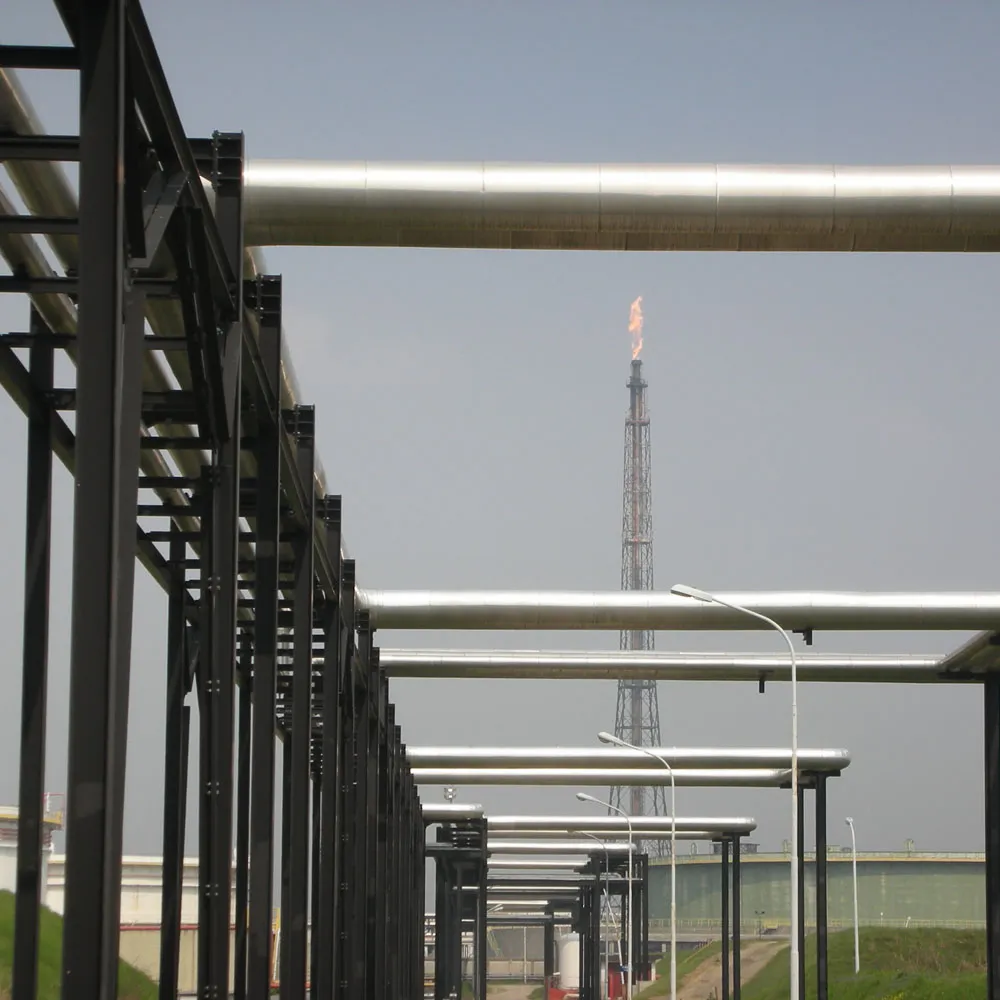
Overview
In detail
How it works
A single fibre measures temperature distribution and, where fitted, strain deformation every metre along its whole length. The system is a turnkey, autonomous unit capable of raising real-time alerts and locating events to the nearest metre, picking up precursor signs of failure to enable preventative maintenance and faster response after an event.
Applications
Distributed monitoring is particularly cost-effective on long runs such as railways and pipelines, where it is almost impossible to monitor the same distance with electrical sensors. Fitted with a network of cameras, the same system can also serve as a security monitoring solution to protect the asset.
Performance
The system achieves a spatial resolution around 1 metre over runs of several kilometres. In tested applications, ammonia leak rates down to 50 grams per second were detected within about 20 seconds, and this class of system has been operated for more than 10 years as a safety barrier in industrial facilities.
Specifications
Technical specifications
- Spatial resolution
- ~1 m
- Leak detection sensitivity
- down to 50 g/s (liquid ammonia, tested)
- Response time
- ~20 seconds (at 50 g/s leak rate)
- Monitoring range
- several km per fibre run
Related
Often specified alongside
Geosystems
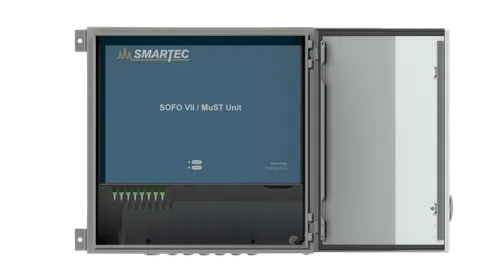
SOFO VII MuST FBG Portable Reading Unit
- Ingress
- IP66
- Temp
- -10 to +40°C (-40 to +40°C with heating option)
- Available channels
- 4 or 8 total, software-configurable between SOFO and MuST FBG
Geosystems
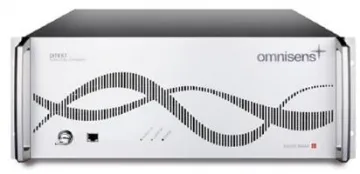
DiTeSt Dual Reading Unit
- Range
- up to 60 km (BOTDA loop) / up to 45 km (BOTDR single-end)
Ready to specify?
Add Fibre Optic Leak Detection to your enquiry
Build a list, add your site notes, and an ESS engineer will quote the lot — cables, mounting and calibration included.