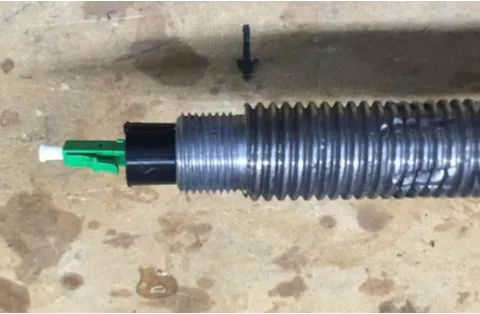
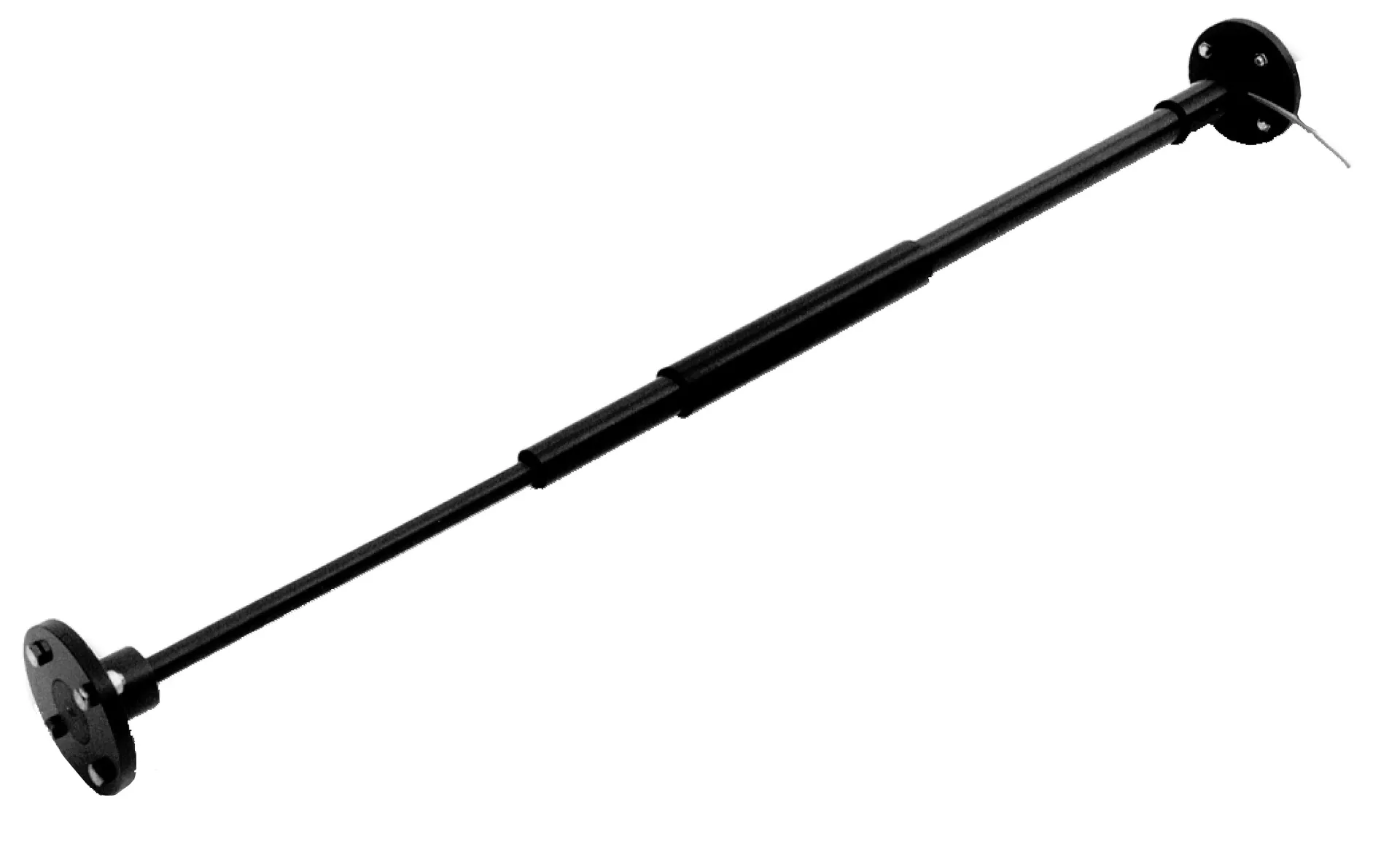
ERI Fill Extensometer
The fill extensometer Model ERI consists of a telescopic outer PVC pipe fitted with two end flanges and an inner stainless steel rod. The ERI is a telescopic extensometer used to measure longitudinal displacements and axial deformations over long base lengths.
- Range
- 25, 100, 150, 200 and 300 mm
- Sensor type
- Vibrating wire
- Accuracy
- ±0.25% F.S.
Overview
In detail
How it works
One end of the rod is attached to a flange, while the other end of the rod is attached to a displacement sensor, which is attached to the other flange. A signal cable attached to the sensor links the sensor to a readout at the surface. As displacement occurs, the telescoping outer pipe moves with the soil, causing the rod to compress or extend the displacement sensor.
Installation
These fill extensometers are generally installed horizontally in trenches, but sometimes vertically in boreholes. The standard lengths of the fill extensometer Model ERI are between 3 meters and 6 meters. Extensometers can be assembled in series using threaded rods inserted in the holes on each end flange.
Applications
Monitoring the crest of earthfill dams to locate tension cracks; measuring lateral strains in earth structures; and measuring heave in the base of deep excavations.
Reach out and say hi
Let us help. Tell us the site, the range you expect and what it has to talk to, and we’ll work out the right variant, cable and mounting — and quote it.
Specifications
Technical specifications
- Range
- 25, 100, 150, 200 and 300 mm
- Sensor type
- Vibrating wire
- Accuracy
- ±0.25% F.S.
- Resolution
- 0.02% F.S. (MB-3TL)
- Cable
- IRC-41A(P), IRC-390
- Thermistor (optional)
- 3kΩ
- Operating temperature
- −20 to +80°C
- Base length
- 3 m (longer upon request)
- Stainless steel extension rod diameter
- 6.35 mm
- End flange diameter
- 150 mm
- PVC components (outside diameter)
- Telescoping coupling 42 mm, sensor housing 48 mm, casing 33 mm
Related
Often specified alongside
ESS Earth
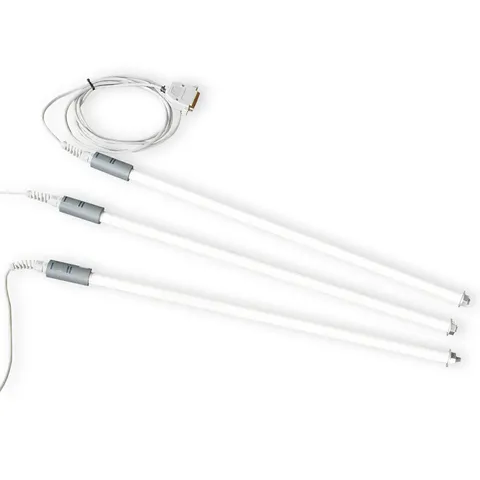
Resistance Wire Extensometer RWE
- Application
- Underground hard rock and coal mine displacement monitoring
- Monitoring points
- Pillars, stope walls, roof
Geosystems
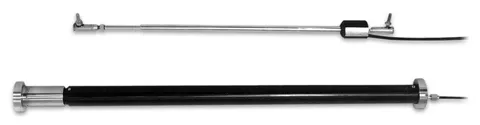
JM Series Vibrating Wire Jointmeter
- Range
- 25, 50, 100, 150, 200, 250, 300 mm (200/250/300 mm not available for JM-E)
- Accuracy
Ready to specify?
Add ERI Fill Extensometer to your enquiry
Build a list, add your site notes, and an ESS engineer will quote the lot — cables, mounting and calibration included.