Compact Weather Sensors Vs Traditional Weather Stations.
ESS Earth Sciences are often asked the differences between compact weather sensors and “traditional” weather stations. Specifically, which is the best option. As compact weather …
ESS Earth Sciences are often asked the differences between compact weather sensors and “traditional” weather stations. Specifically, which is the best option. As compact weather stations measure up to 9 parameters in one unit, it may be assumed the answer is simple. However, it is not as black and white as each option has advantages and disadvantages. In this article, we aim to explore the two systems and highlight their qualities and comparative weaknesses.
What are compact and traditional weather stations?
Compact weather sensors
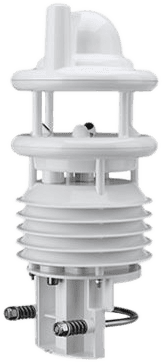
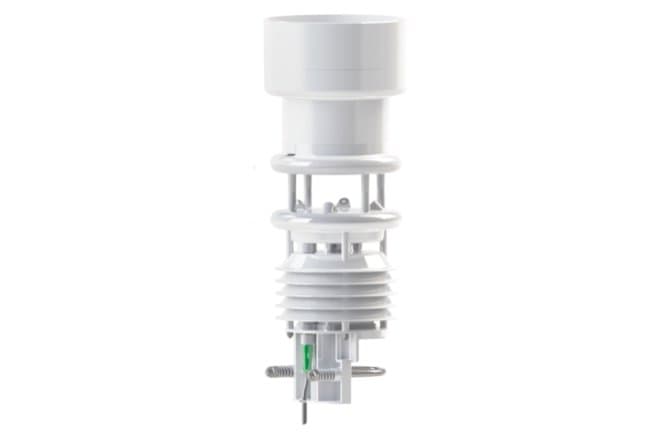
Modern compact weather sensors generally take the form the white cylinder seen in photo 1. Such units can house sensors that will record up to 10 different meteorological parameters simultaneously. Parameters may include; temperature, relative humidity, precipitation type, precipitation intensity, precipitation amount, radiation, lightning (warning system), wind speed, wind direction, and air pressure.
Traditional Weather Stations
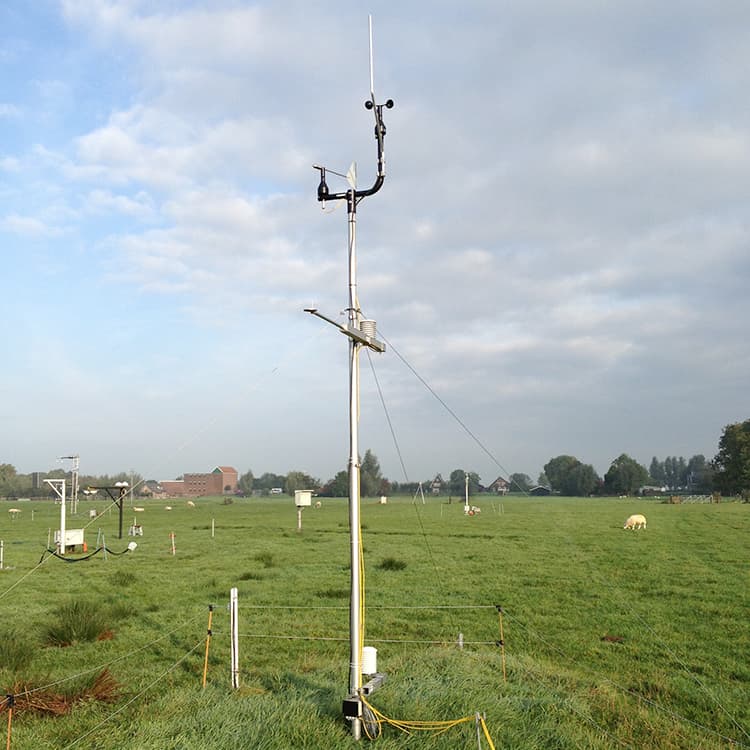
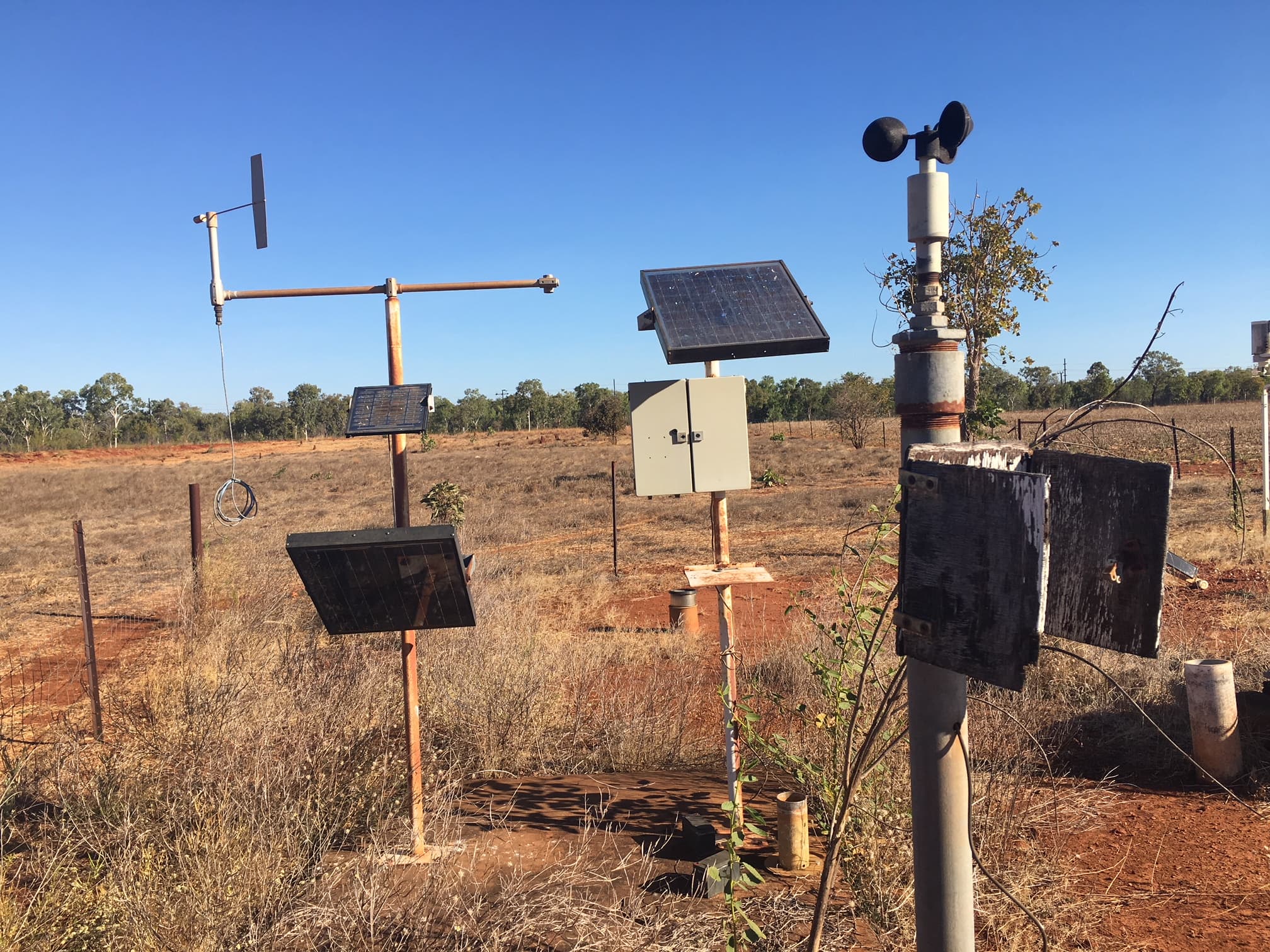
Standard weather stations consist of various separate sensors and instruments attached to a single or multiple mounting structures. Therefore, only the instruments installed limit the parameters measured.
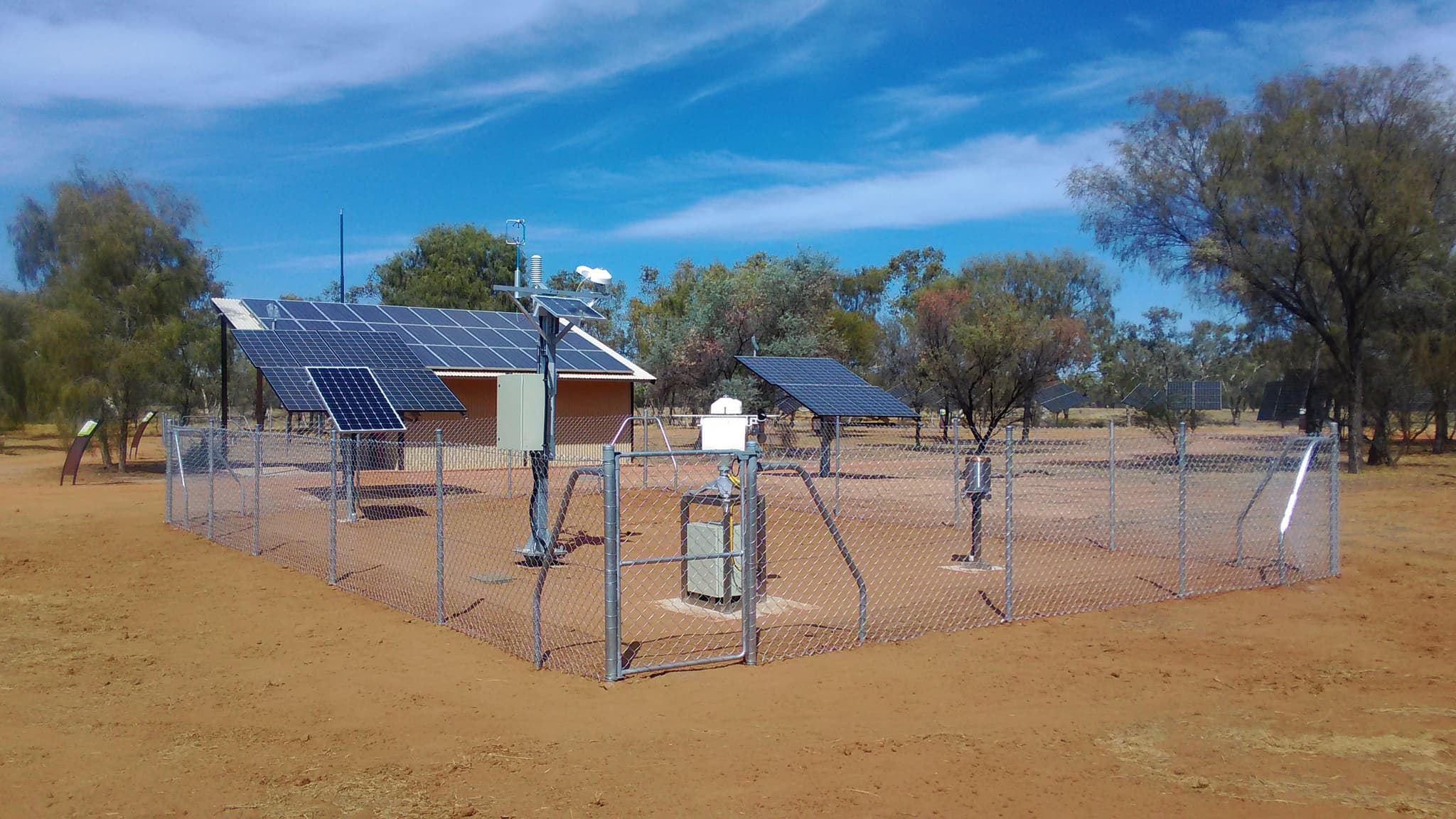
Photo 2 shows a weather station installed by ESS Earth Sciences to primarily monitor solar irradiance for solar farm prospecting. The site has a pedestal mounted rain gauge, sun tracker with a pyranometer and pyrheliometer, and other key weather sensors. A Solar panel and battery power the sensors and loggers. However, some weather stations consist of several sensors on a single mast. Note that sensors must be compatible in terms of shading and distortion of airflows etc. when mounted near each other.
Exploring the advantages and disadvantages
When deciding which route to choose, it is important to consider all factors fully. Rarely a single factor outweighs all others, often settling on the right option requires compromises.
Size of installation
Size is an important factor to consider when installing meteorological sensors. This could be determined by how accessible the location is, the available space, or what position the sensor will be installed (top of a bridge, an open field, side of mountain or top of building etc.).
As the name would suggest, compact weather sensors are just that, compact. Their size can range from 15cm to 45cm in height with diameters of 14-16cm, the weight of the larger sensors is approximately 1.7kg. In the size department, there is little competition between the two forms of weather stations.
With such small dimensions, installing compact weather stations in most locations is possible. For example, they may be ideal for carrying into very remote locations where trekking with multiple sensors and a mast is not feasible. Similarly, installing compact weather stations on top of narrow bridges (motorways or over rivers) is possible opening up new avenues of data collection for traffic management and planning.
Integration
Typically, compact weather stations provide either RS485 Modbus or SDI-12 serial outputs through a single cable that easily connects to a datalogger or SCADA system. As such, one cable can deliver data from many sensors. With other forms of weather station, it is common for each sensor to have its own output. As a result, on stations with multiple brands of instruments, it is possible to have various communication protocols. Whilst most dataloggers will be able to read the data from multiple protocols, it makes installation and integration a more difficult task. That said, for some applications having different outputs specific to the instrument makes fault-finding an easier task as the offending sensor can be isolated quickly.


Monitoring something similar?
Tell us what you are trying to measure
Describe the site and an ESS engineer will specify the instrument set — usually in one reply.